
A coffee machine buying guide should start with the drink you make most often, not the longest feature list. If you mainly drink black filter coffee, a drip machine or cafetière is the simplest route; if you want espresso-based drinks, an espresso machine with a steam wand is the relevant category; if you want one-touch specialities, look at automatic machines. [1][2] Then match worktop space, cleaning and return terms to how you will really use it.
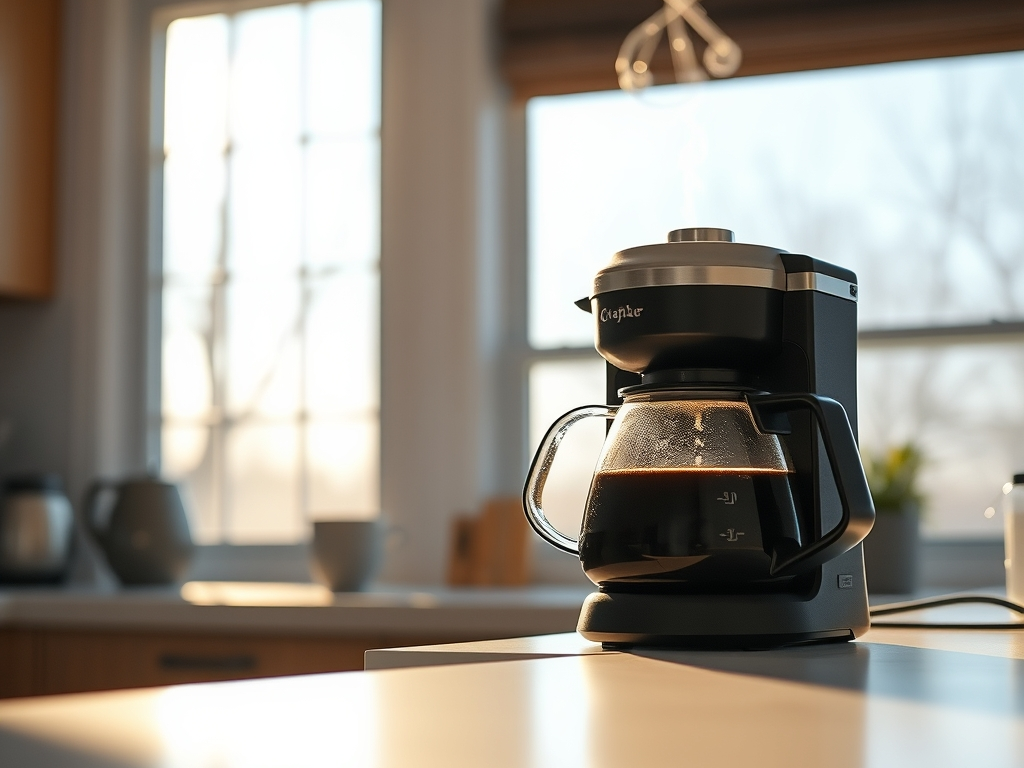
Start with the brew method
A coffee maker is a cooking appliance used to brew coffee, and the two most common brewing principles are gravity and pressure. [1] In a gravity machine, often called automatic drip-brew, water drips through grounds in a paper or metal filter into a pot. [1] Machines that use pressure to force water through ground coffee are espresso makers, and they produce espresso. [1]
An espresso machine forces heated, pressurised water through a small, compressed puck of finely ground coffee. [2] Most espresso machines share a portafilter, a grouphead and often a steam wand for milk. [2] That is why espresso machines ask more of you than a filter machine: grind, dose and milk are part of the routine.
A cafetière needs a coarser grind than a drip filter, because finer grounds seep through the press filter into the drink. [1] Because the grounds stay in contact with water and are filtered by a mesh rather than paper, cafetière coffee captures more flavour and oils. [1] For a 0.5-litre cafetière, some reports consider the contents spoiled after around 20 minutes. [1]
Single-serve machines brew from a single-serve container and gained popularity in the 2000s. [1] They are a different habit from batch brewing: one container, one drink, less jug to clean.
How to choose an espresso machine
Espresso machines vary widely: they may be steam-, piston-, pump- or air-pump-driven, and manual, semi-automatic or fully automatic. [2] Some include a built-in grinder, and superautomatic models can produce a shot with a single touch. [2]
Pressure is the first technical split. Steam-driven units are used in lower-cost consumer machines and do not produce as high a pressure as pump-driven machines. [2] Spring piston lever machines deliver pressure usually between 8 and 10 bar. [2] Changing grind fineness, tamp pressure or the pressure itself can adjust the taste of the espresso. [2]
Milk is the second split. A steam wand is used to steam and froth milk or non-dairy milks for cappuccino and caffè latte, including microfoam. [2] If you drink flat whites or cappuccinos daily, the milk routine matters as much as the shot.
Grind is the third. Espresso needs a suitable fine grind, and if the machine has no built-in grinder you need a grinder that can produce it. [2] A machine with a built-in grinder removes one appliance from the worktop but adds cleaning and bean storage to the machine itself.
Pods and capsules: how to choose a pod coffee machine
Single-serve machines brew coffee from a single-serve container. [1] That is the category to compare when you are choosing a pod coffee machine: the machine is built around the container it uses, so check that the containers you like are easy to find and that the cleaning routine fits your kitchen.
Pod machines suit one or two drinks at a time and a low-effort routine. They are less suited if you regularly make a full jug for several people; a drip machine or cafetière is the batch-brew route. [1]
Worktop space, cleaning and day-to-day ownership
Measure width, height and depth before you buy, including clearance for the bean hopper and for lifting a cup under the spout. A compact machine can still be tall once the hopper is fitted.
De’Longhi describes the Rivelia Start as a 24.5 cm-wide machine with interchangeable bean hoppers and dense, creamy foam. [3] Cleaning is part of ownership: De’Longhi lists descalers and water filters as care products. [3] Rocket Espresso sells accessories and beans alongside machines. [4]
Running costs are not just the purchase. A machine that heats water and runs a pump uses electricity, and milk cleaning and descaling use supplies. Check the manufacturer’s power and care instructions for the model you shortlist.
Which option fits whom
| Brand | What they offer | Worth knowing |
|---|---|---|
| Rocket Espresso | Heat exchanger and dual boiler espresso machines, grinders, bundles, accessories and beans, sold through the official UK Rocket store. [4] | Rocket says its machines and grinders are hand-built in Italy and classed as bespoke, so they cannot be cancelled, exchanged or returned; accessories can be returned within 14 days if unused and in original packaging. [5] |
| De’Longhi | Automatic and manual coffee machines, coffee beans, accessories, descalers and water filters, plus a Help Me Choose tool. [3] | Rivelia Start is described as 24.5 cm wide with interchangeable bean hoppers and dense, creamy foam; De’Longhi also runs a trade-in programme. [3] |
If you want a traditional espresso setup and are willing to work with a separate grinder and a machine that is not returnable, Rocket Espresso’s heat exchanger and dual boiler machines are the relevant range to study. [4][5]
If you want automatic coffee specialities or a manual machine from a brand with a broad coffee range, De’Longhi’s automatic and manual ranges and its Help Me Choose tool are the place to start. [3]
If you mainly drink filter coffee or use a cafetière, start with those categories rather than an espresso machine; a drip machine or cafetière covers that job. [1] If pods are your priority, compare pod machine ranges separately.
Returns, support and common mistakes
Rocket Espresso’s refund policy covers accessories only for 14 days from receipt, provided they are unused and in original packaging. [5] Rocket says its machines and grinders are hand-built in Italy and classed as bespoke, so they cannot be cancelled, exchanged or returned. [5] That policy is specific to Rocket; check the exact terms for any other machine before ordering.
De’Longhi’s site includes product registration and support sections, and a trade-in programme. [3]
Common mistakes are easy to avoid. Buying for the occasional guest rather than daily use leads to machines that are more complicated than the routine needs. Forgetting that espresso depends on a suitable fine grind is another; grind fineness can adjust taste. [2] Assuming every machine textures milk is a third; a steam wand is the part that does that job. [2] Ignoring descaling and water filters is a fourth; De’Longhi lists both as care products. [3] Not checking return terms and not measuring cup clearance are the practical ones to fix before you order.
Confirm current specifications, care instructions and return terms on the brand’s site before you order.
Sources
- Coffeemaker (Wikipedia) — Wikipedia
- Espresso machine (Wikipedia) — Wikipedia
- De'Longhi official site — delonghi.com
- Rocket Espresso official site — rocket-espresso.co.uk
- Rocket Espresso: Refund Policy — rocket-espresso.co.uk
How we put this together: we compared these options using each brand's published product and policy pages and the references listed above. We haven't tested the products ourselves, and details such as prices and policies can change, so check the brand's site before you buy.
You may also find Air Fryer Buying Guide: How to Choose the Right One useful.