
Do I need a coffee machine? Not by default. If you drink one plain coffee a day, a kettle plus a cafetière or a filter cone covers it, and a machine adds cleaning, descaling and worktop space for very little gain. It starts to earn its place when your habit is specific and frequent: espresso, milk-based drinks, pods, or a jug for several people at once. Home coffee makers work on one of two principles — gravity-fed drip brewing, or pressure, which is what espresso machines use. [1]
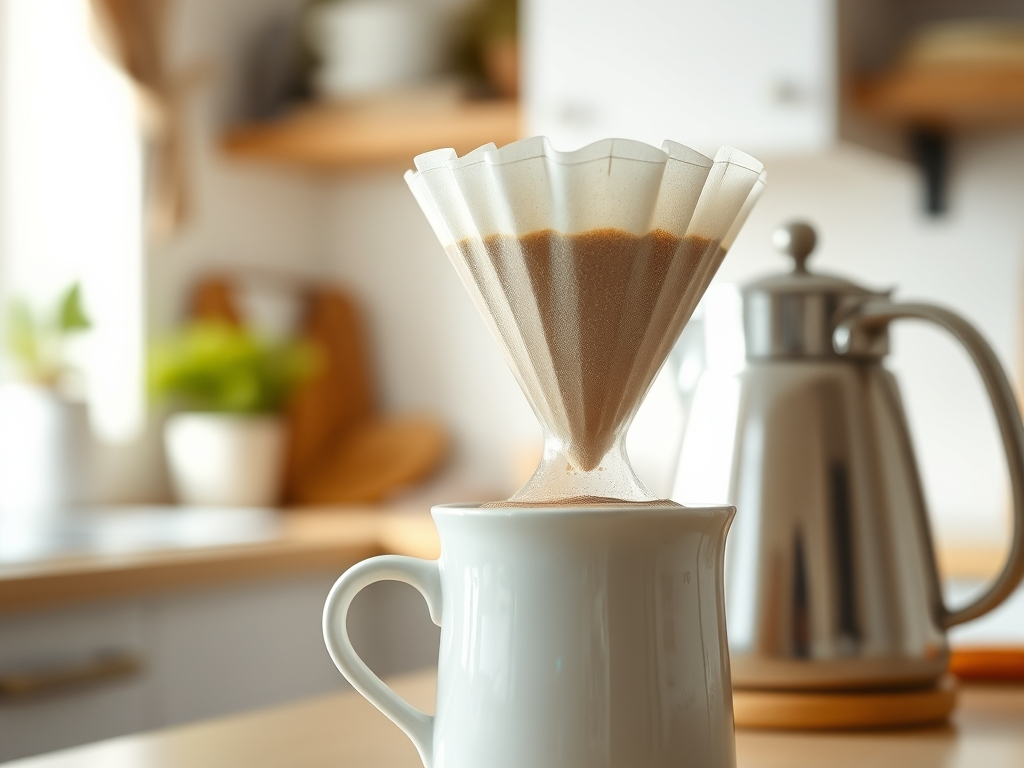
Do you really need one, or do you just want one?
Three questions settle it: what you actually drink, how often, and how much upkeep you will tolerate. Machines need cleaning and descaling to keep working properly, and the brands themselves sell care products for that job — De’Longhi lists descalers and water filters among its coffee accessories [2].
If your habit is black coffee in quantity, a cafetière or a filter setup makes the same kind of drink with far less to clean and no electrical parts to fail. If your habit is a milk-based drink you currently buy out, an espresso machine or a bean-to-cup automatic changes what you can make at home, which is the point at which the worktop space becomes worth spending. If your habit is one cup now and then, a machine is furniture that needs descaling.
Space matters as much as habit. Worktop room in a UK kitchen is usually the limiting factor, which is why compact automatic machines exist: De’Longhi describes its Rivelia Start as a coffee shop in 24.5 cm. [2]
Which machine type suits your coffee habits
Gravity-fed filter or drip machines. Grounds go into a paper or metal filter inside a funnel set over a pot, and water is boiled and dripped through the grounds under gravity; this is the automatic drip-brew method. [1] This suits anyone making several cups at once who does not want to stand over the brew.
Cafetières. A cafetière needs a coarser grind than a drip filter, because finer grounds seep through the press filter and into the drink. [1] Because the grounds stay in contact with the water and are filtered by a mesh rather than paper, the brew captures more of the coffee’s flavour and essential oils, which would otherwise be trapped in a paper filter. [1] Strength is set by how much ground coffee you use. [1] It does not keep: for a 0.5-litre cafetière, some reports consider the contents spoiled after around 20 minutes. [1]
Single-serve (pod) machines. These brew coffee from a single-serve container, and the format gained popularity in the 2000s. [1] The machine and the pods are a matched pair — you are choosing a pod format as much as a machine.
Espresso machines. Pressure forces water through ground coffee to produce espresso. [1] Rocket Espresso divides its home range into heat exchanger machines and dual boiler machines, and also sells grinders, bundles and accessories. [3]
Bean-to-cup automatic machines. De’Longhi sorts its range into automatic coffee machines, for making coffee specialities easily at home, and manual coffee machines for hands-on brewing. [2] The Rivelia Start uses interchangeable bean hoppers, [2] and the Magnifica Duo is described as making 20+ hot and cold drinks. [2]
Do you need a machine for ground coffee, pods or beans?
Ground coffee works in a drip machine, a cafetière or an espresso machine — but the grind has to match the brewer. A cafetière needs a coarser grind than a drip filter, and finer grounds will slip through the mesh. [1] If you buy pre-ground coffee, choose the machine first and the grind second.
Pods only work in a machine built for that pod format, since a single-serve machine brews from a single-serve container. [1] Neither brand’s published range here is a pod system: Rocket lists espresso machines, grinders and accessories, [3] and De’Longhi lists automatic and manual coffee machines. [2] A pod habit points you towards a pod machine instead.
Beans need grinding before brewing. Rocket’s site lists grinders and bundles, including Appartamento, TCA, and Fast bundles, among its products. [3] De’Longhi says the Rivelia Start has interchangeable bean hoppers, and the company also sells beans, including a 100% Arabica Caffè Crema, a Selezione blend of 70% Arabica and 30% Robusta, and a decaffeinated espresso. [2][4]
Do you need a filter for a coffee machine?
It depends on the brewer. In a conventional drip setup, the coffee sits in a paper or metal filter inside a funnel, and that filter is what separates the grounds from the drink. [1] Paper traps oils and fine particles that a mesh does not, which is exactly why cafetière coffee tastes fuller and heavier than filter coffee. [1]
Separately, many machines use a water filter or need regular descaling to keep the water side in condition — De’Longhi sells both descalers and water filters as care products. [2] Water hardness where you live determines how often that comes round, so factor the cost and fiddle of it into your decision, not just the machine itself.
What to check before you commit
Worktop footprint. Measure the gap you have before anything else; a compact automatic such as the Rivelia Start is quoted at 24.5 cm wide. [2]
Return terms. This is the big one for espresso machines. Rocket’s policy says its machines and grinders are handmade in Italy and treated as bespoke products under the UK Consumer Contracts Regulations 2013, so orders for them cannot be changed, swapped, or sent back after they are placed. [5] Accessories bought online can be returned within 14 days of delivery if unused, in original packaging and resaleable condition. [5] If you are not certain, that policy removes the safety net, so ask questions before ordering; Rocket says its team will guide buyers through the options first. [5]
Support and aftercare. Rocket runs a help centre for buying advice and support for UK owners, and offers trade-ins and rental as well as sales. [3] De’Longhi offers a Help Me Choose tool and a trade-in programme for old machines. [2]
Where the brand sits. Rocket’s UK site describes itself as the exclusive UK distributor and online store for Rocket Espresso, distributing in the UK since 2020. [3] De’Longhi presents itself as an Italian home appliance brand with a UK storefront covering machines, beans and care products. [2][4]
Rocket Espresso and De’Longhi side by side
| Brand | What they offer | Worth knowing |
|---|---|---|
| Rocket Espresso | Heat exchanger and dual boiler espresso machines, plus commercial machines, special editions, grinders, bundles, accessories and beans, sold through what it calls the exclusive UK distributor and online store [3] | Machines and grinders are hand-built in Italy and treated as bespoke products, so they cannot be cancelled, exchanged or returned once ordered under the UK Consumer Contracts Regulations 2013; accessories can be returned within 14 days of delivery if unused and in original packaging [5] |
| De’Longhi | Automatic and manual coffee machines, coffee beans and coffee accessories including descalers and water filters [2][4] | The Rivelia Start is described as 24.5 cm wide with interchangeable bean hoppers, and the Magnifica Duo as making 20+ hot and cold drinks; a Help Me Choose tool and a trade-in programme sit alongside the range [2] |
Which option fits whom
Choose Rocket Espresso if you already know you want a traditional espresso machine and are willing to work at it. The range is organised around heat exchanger and dual boiler espresso machines, with grinders and bundles to match, [3] and the machines are hand-built in Italy. [5] Because machine orders cannot be returned or cancelled, [5] it suits someone who has settled on espresso rather than someone still deciding.
Choose De’Longhi if you want the drink made for you at the touch of a button, or you are shopping for a mixed household. Its automatic machines are pitched at making coffee specialities easily at home, with the compact Rivelia Start and the 20+ drink Magnifica Duo in the line-up, [2] and buying beans from the same brand keeps the supply side simple. [4] Its manual machines cover the hands-on option if you want to learn. [2]
Buy neither if your coffee is a mug of filter or cafetière coffee, or if you mainly use pods. Gravity brewing and a mesh plunger need no electricity, [1] and pod formats need a machine built for that capsule rather than an espresso or bean-to-cup machine. [1] Spending more does not improve a habit that a jug and a kettle already satisfy.
Before ordering, confirm the current range, dimensions and return terms on the brand’s own site — return policies and product lines change, and on espresso machines the return terms are the detail most worth reading twice. [5]
Sources
- Coffeemaker (Wikipedia) — Wikipedia
- De'Longhi official site — delonghi.com
- Rocket Espresso official site — rocket-espresso.co.uk
- De'Longhi: Coffee beans — delonghi.com
- Rocket Espresso: Refund Policy — rocket-espresso.co.uk
How we put this together: we compared these options using each brand's published product and policy pages and the references listed above. We haven't tested the products ourselves, and details such as prices and policies can change, so check the brand's site before you buy.